These effective solutions can help contractors address the 5 most common causes of construction delays.
Article updated on: August 27, 2026
The biggest budget-buster on virtually any construction site is delays. Every time the schedule gets pushed back, the budget begins to skyrocket.
As software provider Deltek noted in a recent white paper, a 3-year project with a $50 million contract can be broken down to a value of $45,662 each day. An average construction delay of 30 percent puts the cost of delay at close to $15 million. That’s an attention-getting number that should have contractors thinking about how to address the following common construction delays.
Labor shortages
It’s no secret that the industry is facing a skilled labor shortage. Fewer workers are tackling projects with increasingly short schedules, and contractors’ project backlogs are growing significantly.
Don’t count on overtime or hiring once the job is underway to prevent schedule delays. Knowing your job productivity rates and building efficiency into your processes is essential for budgeting enough time on projects and preventing strain on workers that could leave you short another hand.
Consider performing an activity analysis to better understand how your workers use their time on the job and leverage United Academy training and certification programs to upskill your crew, reduce rework and help you more accurately schedule projects and make logistical improvements that can increase your productivity.
Excessive scope creep
Having an accurate upfront project estimate is essential to getting a project to stay on schedule, but what happens when the project veers into new territory? When changes are made throughout the project, contractors will eventually find there’s not enough time for rework or to squeeze in overtime.
Scope creep can be managed by gathering input from all project stakeholders early on in the process to create a thorough scope of work. When the GC clearly understands project goals, they can offer alternatives to scope changes that will keep the project on track.
And when the GC can provide the owner and designer with an instant understanding of the budget implications of ongoing changes, there’s a greater likelihood the project will continue as is, on track. Ongoing communication, from the kick-off meeting to established project milestones, is essential.
Unreliable subcontractors
You’re only as good as your team’s weakest link, so keeping projects on schedule requires open communication with reliable subcontractors. Vet subcontractors and track which companies are providing you with the most efficient staff to ensure you bring only the most productive subs onsite.
Make sure your contracts require subcontractors to meet the same owner expectations to which you are held. Requiring a quality assurance plan that keeps subcontractors constantly on the lookout for potential delay-causing problems also can be helpful.
From there, communicating early and with regular face-to-face discussions helps all parties stay on the same page and gives subcontractors extra encouragement to reach out with questions. It’s also important to establish a clear chain of command so GCs get, and answer, questions promptly.
Lack of equipment availability
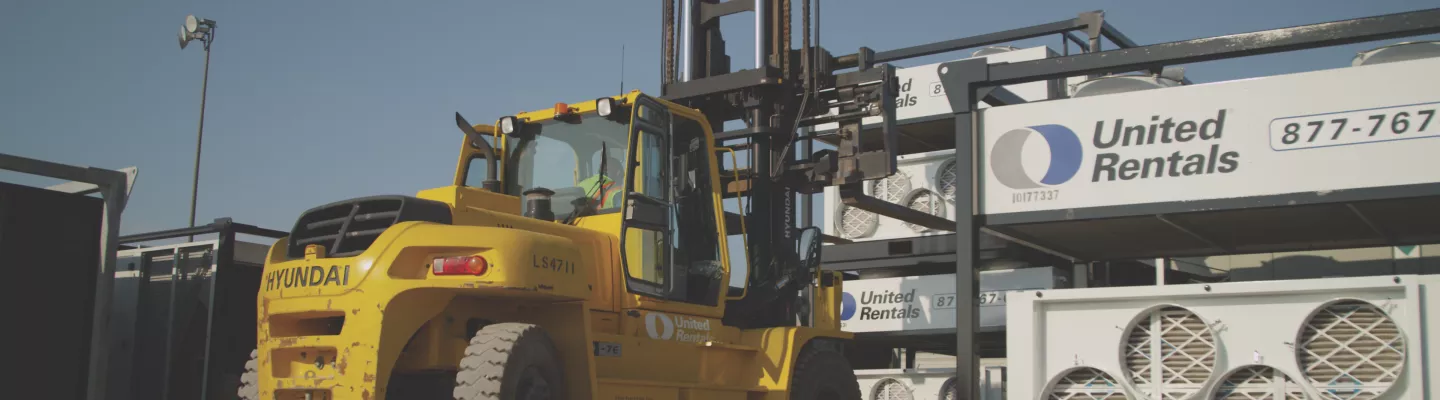
If you’re scheduling around the availability of heavy equipment, you’d better make sure it will be where you need it, and in good working order, when you need it. Outfitting owned equipment with GPS and telematics, or renting equipment that comes with it, will enable you to know at a glance where all your equipment is, and sensors will tell you in advance when it needs maintenance.
Using this type of predictive maintenance rather than preventive maintenance (based on the timeline the manufacturer recommends) can save you from over- or under-scheduling tune-ups.
Weather
There’s no getting around the weather, particularly when other delays push a project back into cold weather season or a natural disaster such as a hurricane impacts an already-tight timeline. Minimize the impact of weather delays on your schedule by building in time to account for them.
Complete this checklist when planning your construction project:
- Research local weather patterns using U.S. Climate Data and the National Weather Service for insight on what weather you can expect so you know how much time to add
- Schedule certain activities appropriately, such as lifting large loads outside of forecasted windy seasons or putting up roofs before rainy months
- Reduce downtime on jobsites during heavy rain or storm events with ground protection matting, temporary power and climate solutions
- Check that your contract allows for extra time in case of an unusually severe weather event
 Facebook
 X
 Linkedin
 Email
 Print
 Copy Link
 RSS Feed