Looks like you're in [country-name]. Switch to the [site-name] for local equipment and services?

Go to [site-name]
Stay here

User account menu

  • 844.873.4948
  • English

    Australasia

    • Australia

    Europe

    • Français
    • Deutsch
    • English
    • Nederlands

    North America

    • English
    • Español
    • Français
  • Sign In / Register
United Rentals Home
  • Rent
    • All Equipment
    • Popular Rentals
    • Scissor Lifts
    • Boom Lifts
    • Telehandlers
    • Mini Excavators
    • Skid Steers & Track Loaders
    • Rental Resources
    • Rental Protection Plan (RPP)
    • Why Rent with United Rentals
  • Buy
    • All Used Equipment
    • Popular Used Equipment
    • Buy Forklifts
    • Buy Scissor Lifts
    • Buy Boom Lifts
    • Buy Mini Excavators
    • Buy Compressors
    • Buying Resources
    • Financing
    • United Guard™
  • Total Control
    • Account Dashboard
    • Invoices & Payments
    • Items On Rent
    • UR Mobile App
    • About Total Control®
  • Invoices & Payments
    • Invoices
    • Lien releases
    • Apply for credit
  • Locations
    • Find a Location
  • Training
    • Course Catalog
    • Training Credentials
    • United Academy
    • About United Academy
    • Care & Support
    • United Academy - Course Catalog
  • Solutions
    • Worksite Performance Solutions™
    • Specialty Solutions
      • Commercial Trucks
      • Flooring & Facility Solutions
      • Power & HVAC
      • Climate Solutions
      • Fluid Solutions
      • Trench Safety
      • Reliable Onsite Services
      • Tool Solutions
      • Storage Containers & Mobile Offices
      • Communications
      • Industrial Blinds
    • Power & HVAC
    • Climate Solutions
    • Fluid Solutions
    • Trench Safety
    • Trench Engineered Systems
    • Reliable Onsite Services
    • Tool Solutions
    • Storage Containers & Mobile Offices
    • Temporary Industrial Tents
    • Commercial Trucks
    • Flooring & Facility Solutions
    • Ground Protection Matting Solutions
    • Industry Solutions
      • Energy & Utility
      • Chemical
      • Oil & Gas Refining
      • Oilfield Services
      • Civil and Infrastructure
      • Restoration and Remediation
      • Government Solutions
      • Agriculture
    • Energy & Utility
    • Data Centers
    • Renewable Energy
    • Chemical
    • Oil & Gas Refining
    • Oilfield Services
    • Restoration & Remediation
    • Civil & Infrastructure
    • Government Solutions
    • Events & Entertainment
    • Emergency Solutions
    • Emergency Response
  • Services
    • Digital Solutions
    • Total Control®
    • Mobile App
    • Notifications
    • Benchmarking
    • Wedge
    • Downloadable Catalogs
    • Repair & Maintenance Services
    • Owned Equipment Service
    • Rental Equipment Service
    • Training Services
    • United Academy
  • Safety
    • Safety Training
    • Safety Articles
  • Company
    • Resource Center
    • Events
      • Events Calendar
      • Webinar Series
    • In the News
    • Press Releases
    • Investor Relations
      • Annual Report
      • Reports & Proxy Statements
      • Corporate Governance
      • Investor Press Releases
      • Investor Events, Calls & Presentations
      • Research Coverage
      • SEC Filings
    • Careers
      • Search Careers
      • Career Areas
    • Who We Are
    • About Us
      • About Us
      • Our Culture
      • Board of Directors
      • Corporate Leadership
      • Sponsorships & Partnerships
      • Awards & Recognition
      • Corporate Responsibility Report
      • Small Businesses
    • Safety
    • Sustainability
    • Productivity
    • Innovation
  • Resource Center
  • Equipment
  • Data
  • Safety
  • Expertise
  • All Categories
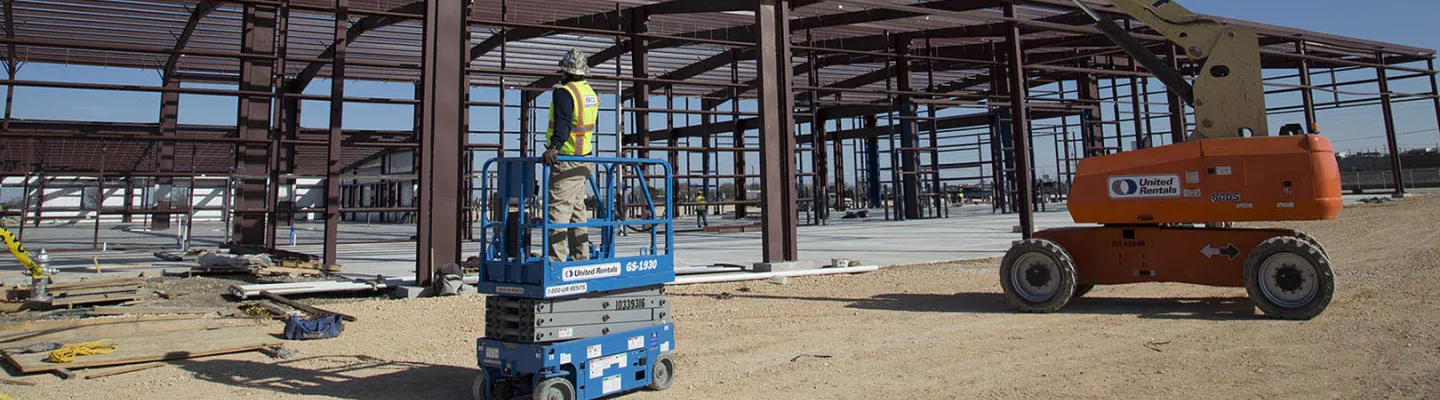
Worker inside lift at jobsite

12 Work Zone Safety Tips for Workers

Work zone safety isn't optional; it's the difference between a job well done and a life lost.

December 20, 2022
  • Safety Tips & Guides

Article Updated on: July 23, 2026

Work zones put workers close to fast-moving traffic and heavy equipment. Each year, an average of 123 workers are killed in roadside construction sites in the U.S. Most are struck by vehicles or construction machinery.

Strong work zone safety practices reduce that risk. The work zone safety tips below cover traffic control, personal protective equipment (PPE), site inspections and OSHA standards that keep active work zones running without interruption.


Work Zone Safety

Work zone safety is the coordinated combination of planning, protective equipment, physical traffic control devices (such as cones, barricades and signage) and operational protocols designed to protect highway construction workers and motorists from roadside hazards and moving vehicles. 

Key Objective

To keep traffic moving smoothly while providing a safe, clearly demarcated perimeter for active roadside work.

What is work zone safety?

Work zone safety refers to the planning, equipment and protocols that protect workers and drivers in and around active construction or maintenance areas on roadways. It covers everything from traffic control plan design to PPE requirements and equipment operation.

Work zones carry unique risks not found on other jobsites:

  • Moving traffic within feet of workers
  • Heavy equipment operating in tight, high-traffic corridors
  • Reduced visibility during low-light or nighttime shifts
  • Frequent changes in lane patterns and pedestrian pathways
  • Worker fatigue from noise, weather and long shifts

Addressing these risks starts with a documented plan and ends with daily site evaluation.

What OSHA standards apply to work zone safety?

OSHA regulates several elements of work zone safety, and DOT rules and state laws govern traffic control specifics. Key requirements your teams should know:

  • High-visibility apparel: OSHA requires all workers exposed to traffic or construction equipment to wear high-visibility clothing
  • Competent person onsite: OSHA defines a competent person as someone who can identify existing and predictable hazards and has authority to correct them promptly
  • Traffic control plans: Must adhere to DOT rules and applicable state laws, covering signage, flagger use and traffic diversions
  • Buffer spaces: Many states require a buffer zone between traffic and the work area to give errant vehicles a recovery area

Confirm state-specific requirements before finalizing your traffic control plan, since rules vary by jurisdiction.


Work zone safety inspection checklist

Run this checklist daily to catch hazards before they cause an incident.

Inspection Area

What to Check

Traffic control devices

Barricades, cones and signage are intact and correctly placed

Buffer space

Kept clear of equipment, vehicles and material

Pavement markings

Skid marks or knocked-over cones that signal a near-miss

PPE compliance

All workers wearing high-visibility apparel

Lighting

Adequate for evening or nighttime shifts

Equipment

Backup alarms functioning, parking brakes and wheel chocks in place

Communication

Flaggers and spotters positioned for lane closures and pattern shifts

Document findings and report issues to the competent person immediately.

1. Create a traffic control plan

If the project affects the flow of traffic, a planner or supervisor should create a traffic control plan that adheres to DOT rules and state laws. These plans aim to keep traffic moving efficiently and provide a safe work area. They should take into consideration not only the overall traffic pattern but also how it changes throughout the day, and any hills, vegetation or other obstructions that could impact how visible the worksite is to motorists.

These plans use written directives and drawings to show the traffic diversions, signage (including any intelligent transportation systems), use of flaggers and other control measures needed. Once the plan is designed, it should be reviewed and modified as necessary after work begins.

2. Lay a perimeter that includes a buffer space

Use barriers to separate the work area from surrounding traffic and include a buffer space if possible. (Note that state law may require one in most instances.) Buffer spaces separate traffic from workers and provide a recovery area for any vehicles that breach the perimeter. Buffer spaces should be kept free of equipment, vehicles and materials.

3. Have an internal traffic control plan, too

Planners or supervisors should control the flow of equipment, machinery and workers on foot within the perimeter to reduce the risk of equipment striking workers. The plan might designate pedestrian-only areas and paths for equipment movement, keeping on-foot workers and equipment separate whenever possible. If necessary, use cones and barriers within the perimeter to show where it’s safe for workers to walk and stand and which areas they should avoid.

4. Have a competent person onsite

Oftentimes, a competent person will be a supervisor. According to OSHA, a competent person can identify existing and predictable hazards and has authorization to take prompt corrective measures to eliminate them. Most worksites need more than one competent person so someone can keep watch if the other competent person needs to leave.

5. Use trained flaggers as needed

Use flaggers as needed to control the flow of traffic around the worksite, such as if the traffic control plan reduces traffic flow to one lane. Flaggers should undergo traffic control flagger training to learn the best practices and procedures for protecting a road crew.

6. Work facing traffic when possible

Just as pedestrians should walk facing traffic, laborers should work facing traffic whenever possible so they can see and avoid oncoming hazards. If that’s not possible, a spotter should be used to alert workers to imminent threats.

7. Standardize communication

Roadside worksites can be noisy. Supervisors and workers should agree on communication protocols, including the use of hand signals and/or two-way radios. Before moving machinery, equipment operators should make eye contact with any nearby on-foot workers or rely on a spotter.

8. Evaluate the site daily

Survey the site for any new hazards or signs of narrowly avoided accidents. Damaged barricades, skid marks and cones that are knocked over can indicate areas where the traffic control plan is not working well. Workers should point these out to a supervisor or competent person.

9. Avoid walking in equipment blind spots

To minimize the risk of runovers, backovers and strikes, on-foot workers should take care not to walk behind machinery or within the swing radius of heavy equipment. They should pay attention to backup signals.

10. Increase visibility with high-visibility clothing and lighting

The sooner a worker is seen, the more time a driver or equipment operator has to avoid striking them. OSHA requires all workers exposed to traffic or construction equipment to wear high-visibility apparel. Add lighting if work is being performed in the evening or at night.

11. Follow best practices when operating machinery

If you’re an equipment operator, protect yourself by wearing a seatbelt to keep you on the machine in the event of a rollover. When you’re not operating the machine, set the parking brake and chock your wheels to protect yourself and others.

12. Protect yourself from the elements

Overexertion accounts for a smaller but still significant number of construction zone injuries. To avoid heat-related illness, stay well hydrated, take frequent breaks and wear lightweight, breathable clothing that offers protection from the sun. In colder months, keep warm with layers, insulated boot socks, a hat and gloves.

Working in roadways can quickly feel routine, and workers may become lax about highway construction zone safety. Proper planning, adherence to best practices and constant situational awareness can help to maintain a productive workday.

Frequently Asked Questions

How do lane closures affect work zone safety?

Lane closures concentrate traffic into fewer lanes, increasing the risk of driver confusion near the work zone. A DOT-compliant traffic control plan with clear signage and trained flaggers helps maintain safe traffic flow and gives workers a protected perimeter.

What is a pattern shift in a work zone?

A pattern shift redirects traffic away from its normal path, often using cones, barrels or temporary striping. Pattern shifts should be reviewed and adjusted as conditions change throughout the project to keep the worksite visible to motorists.

What makes an active work zone more dangerous?

Active work zones combine moving traffic with heavy equipment and workers on foot, often in a compressed space. Daily site evaluation and a strict internal traffic control plan reduce the risk of equipment strikes and vehicle intrusions.

What PPE is required in a work zone?

OSHA requires high-visibility apparel for all workers exposed to traffic or construction equipment. Depending on conditions, teams may also need hearing protection, hard hats and weather-appropriate gear for heat or cold exposure.

Ongoing training is critical to improving worksite safety. Browse our selection of training and certification courses.

  • Facebook Facebook
  • X X
  • Linkedin Linkedin
  • Email Email
  • Print Print
  • Copy Link Copy Link
  • RSS Feed RSS Feed

Was this article helpful?

Yes No

Trending Articles

How to Cut Concrete Using a Concrete Saw
Contractors: Are You Violating OSHA's Portable Toilet Guidelines?
What is a Mini Excavator Used For? Sizes, Applications and Attachments Explained
Wood Chipper Safety: Tips for Avoiding Accidents and Injuries
Locating Pipes with Acoustics and Mapping Software
  • Facebook
  • Linkedin
  • X
  • Youtube

24/7 Customer Care

844.873.4948

  • Mobile App
    • Download for Android
    • Download for Apple
  • Equipment
    • Rent Equipment
    • Buy Equipment
    • Credit Application
    • Rental Protection Plan
    • United Guard™
    • Download Equipment Catalog
  • Solutions & Services
    • Total Control®
    • Specialty Solutions
    • Industry Solutions
    • Customer Equipment Solutions
    • United Academy
  • Support
    • Find a Location
    • Contact Us
    • Rental Equipment Service
  • About Us
    • Corporate Fact Sheet
    • Corporate Responsibility
    • Our Culture
    • Awards & Recognition
    • Resource Center
  • Careers
    • Early Career & Development
    • Events
    • Military
    • Search Jobs
  • Investor Relations
    • Annual Reports
    • Presentations
  • © 2026 United Rentals, Inc.
  • Legal Terms and Conditions
  • Equipment Directory
  • Branch Directory
  • Cookie Settings
United Rentals Home

User account menu

  • 844.873.4948
  • Australasia

    • Australia

    Europe

    • Français
    • Deutsch
    • English
    • Nederlands

    North America

    • English
    • Español
    • Français
  • Sign In / Register
  • Rent
    • All Equipment
    • Popular Rentals
    • Scissor Lifts
    • Boom Lifts
    • Telehandlers
    • Mini Excavators
    • Skid Steers & Track Loaders
    • Rental Resources
    • Rental Protection Plan (RPP)
    • Why Rent with United Rentals
  • Buy
    • All Used Equipment
    • Popular Used Equipment
    • Buy Forklifts
    • Buy Scissor Lifts
    • Buy Boom Lifts
    • Buy Mini Excavators
    • Buy Compressors
    • Buying Resources
    • Financing
    • United Guard™
  • Total Control
    • Account Dashboard
    • Invoices & Payments
    • Items On Rent
    • UR Mobile App
    • About Total Control®
  • Invoices & Payments
    • Invoices
    • Lien releases
    • Apply for credit
  • Locations
    • Find a Location
  • Training
    • Course Catalog
    • Training Credentials
    • United Academy
    • About United Academy
    • Care & Support
    • United Academy - Course Catalog
  • Solutions
    • Worksite Performance Solutions™
    • Specialty Solutions
      • Commercial Trucks
      • Flooring & Facility Solutions
      • Power & HVAC
      • Climate Solutions
      • Fluid Solutions
      • Trench Safety
      • Reliable Onsite Services
      • Tool Solutions
      • Storage Containers & Mobile Offices
      • Communications
      • Industrial Blinds
    • Power & HVAC
    • Climate Solutions
    • Fluid Solutions
    • Trench Safety
    • Trench Engineered Systems
    • Reliable Onsite Services
    • Tool Solutions
    • Storage Containers & Mobile Offices
    • Temporary Industrial Tents
    • Commercial Trucks
    • Flooring & Facility Solutions
    • Ground Protection Matting Solutions
    • Industry Solutions
      • Energy & Utility
      • Chemical
      • Oil & Gas Refining
      • Oilfield Services
      • Civil and Infrastructure
      • Restoration and Remediation
      • Government Solutions
      • Agriculture
    • Energy & Utility
    • Data Centers
    • Renewable Energy
    • Chemical
    • Oil & Gas Refining
    • Oilfield Services
    • Restoration & Remediation
    • Civil & Infrastructure
    • Government Solutions
    • Events & Entertainment
    • Emergency Solutions
    • Emergency Response
  • Services
    • Digital Solutions
    • Total Control®
    • Mobile App
    • Notifications
    • Benchmarking
    • Wedge
    • Downloadable Catalogs
    • Repair & Maintenance Services
    • Owned Equipment Service
    • Rental Equipment Service
    • Training Services
    • United Academy
  • Safety
    • Safety Training
    • Safety Articles
  • Company
    • Resource Center
    • Events
      • Events Calendar
      • Webinar Series
    • In the News
    • Press Releases
    • Investor Relations
      • Annual Report
      • Reports & Proxy Statements
      • Corporate Governance
      • Investor Press Releases
      • Investor Events, Calls & Presentations
      • Research Coverage
      • SEC Filings
    • Careers
      • Search Careers
      • Career Areas
    • Who We Are
    • About Us
      • About Us
      • Our Culture
      • Board of Directors
      • Corporate Leadership
      • Sponsorships & Partnerships
      • Awards & Recognition
      • Corporate Responsibility Report
      • Small Businesses
    • Safety
    • Sustainability
    • Productivity
    • Innovation