Industrial Trench Safety
Industrial excavations are among the most complex excavation projects. United Rentals delivers industrial trench safety with a full range of trench protection systems, from trench shoring and trench shielding to engineered shoring systems, plus the engineering and consultation to keep your project safe, compliant and productive.

Trench Safety Products for Industrial
Trench Shoring
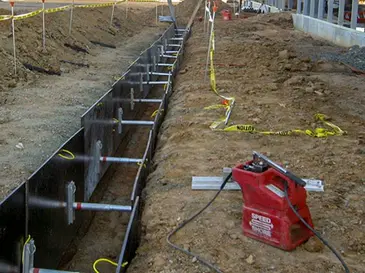
Vertical Hydraulic Shores
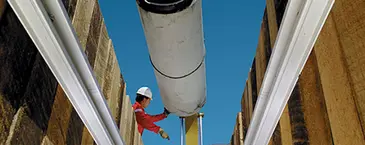
Hydraulic Walers
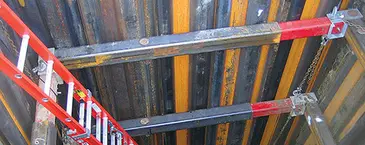
Manhole Braces
Trench Shielding
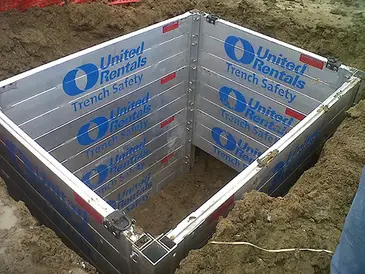
Modular Aluminum Panel Shields

Steel Trench Shields
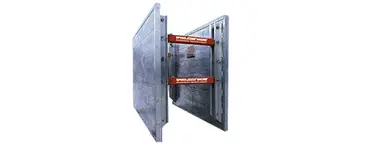
Aluminum Panel Shields
Confined Space Safety Equipment
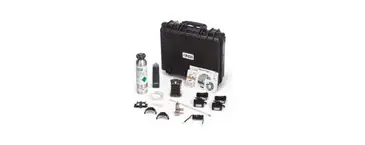
Gas Detectors
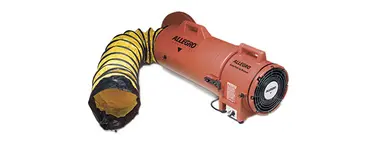
Air Ventilators
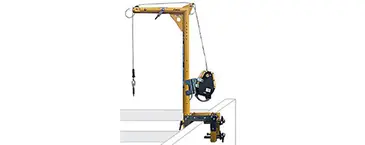
Retrieval Systems
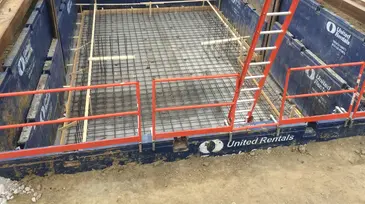
Guardrail Fall Protection
Frequently Asked Questions
Trench shoring supports the trench walls to prevent a cave-in, using systems such as vertical hydraulic shores, hydraulic walers and manhole braces. Trench shielding doesn’t hold the walls back. Instead, steel or aluminum trench shields (often called trench boxes) protect workers inside the box if a collapse happens. OSHA’s excavation standard, 29 CFR 1926 Subpart P, recognizes both as protective systems. On industrial sites such as refineries and manufacturing plants, shoring is often preferred near existing structures, foundations and live utilities, where ground movement must be kept to a minimum.
Under OSHA 29 CFR 1926.652, every worker in an excavation must be protected from cave-ins by an adequate protective system. There are two exceptions: the excavation is entirely in stable rock, or it’s less than 5 feet deep and a competent person finds no sign of a potential cave-in. Related rules also apply. Trenches 4 feet or deeper need a safe exit within 25 feet of lateral travel. Where hazardous atmospheres could exist, as they often can at refineries and chemical plants, the air must be tested before workers enter excavations deeper than 4 feet.
Choosing a system starts with a competent person classifying the soil and evaluating site conditions. From there, the options are:
- Sloping or benching the walls
- Using trench shoring or trench shielding based on OSHA’s appendices or the manufacturer’s tabulated data
- Specifying engineered shoring systems
Systems for excavations deeper than 20 feet, along with any system not covered by OSHA’s appendices or the manufacturer’s tabulated data, must be designed or approved by a registered professional engineer. Industrial sites with tight footprints, such as pipeline tie-ins or plant expansions, often rule out sloping, which makes shoring or shielding the practical choice.
The right trench protection system depends on soil type (stable rock or Type A, B or C), the depth, width and length of the excavation and groundwater conditions. Nearby structures, foundations and underground utilities matter too, along with surcharge loads from equipment or stored materials. Other factors include vibration from nearby operations and how much space the site has. Industrial sites add more complexity in the form of congested piping at refineries, live process lines, pipeline crossings and plant traffic.
United Rentals offers a full range of industrial trench safety equipment:
- Trench shoring, including vertical hydraulic shores, hydraulic walers and manhole braces
- Trench shielding, including steel trench shields and aluminum panel shields
- Confined space safety equipment, including gas detectors, air ventilators and retrieval systems
- Guardrail fall protection
Together, this equipment supports projects ranging from pipeline repairs to refinery turnarounds and manufacturing plant expansions.
Yes. United Rentals Trench Safety provides engineering and consultation to help you choose trench protection systems that are safe and productive. Our team can recommend standard shoring and shielding or design engineered shoring systems for complex industrial excavations. Contact our Trench Safety team or call 844.873.4948 to get started.
